Wednesday, May 4, 2011
Where is Mr. Schick?
Today in class Mr. Schick was not here. We had to go to Mrs. Zurkowski room instead of staying in his room all along. As other people worked on there projects, Katie Cooper and i were all done so we really didnt do anything. I did have the time to write this blog and i also did some other homework. I also at time to time helped Alyssa and Catherine with there project which was kinda fun. We didn't really do anything else so i hope you hurry back to class soon!!

Monday, May 2, 2011
Octavian the Exalter
Today in class we talked about the rap and what was in our rap. I was paired with Kaite Cooper and we are doing a presentation on the 6th paragraph which is mostly on Octavian. Caesar's nineteen-year-old great-nephew, Gaius Octavius Thurinus, entered Rome to claim his inheritance. Caesar's will had named him chief heir and adopted him as his son, making his name now Gaius Julius Caesar Octavianus. Octavian, Antony, and Lepidus formed an official three-man government, called “the second triumvirate”.

· It was fought between Octavian and the combined forces of Mark Antony and Cleopatra VII
· The war was on September 2, 31 BC on the Ionian Sea near Actium Greece
· During the war Octavian tried to make a trues with Antony but he rejected, so then they prepared for battle the next year
· They fought by ships
· On the First day of September, Octavian issued his fleet to move around Antony’s. In fear of being surrounded, Antony gave word to attack.
· Since Antony was surrounded, Octavian pushed Antony’s fleet toward shore. Antony forced a hole through Octavian’s fleet and that is where he and Cleopatra escaped.
· Octavian won the battle and was awarded the title of Augustus
· This war was the end of the Roman Republic and the beginning of the Roman Empire.

Friday, April 29, 2011
The not so impossible pop quiz
 |
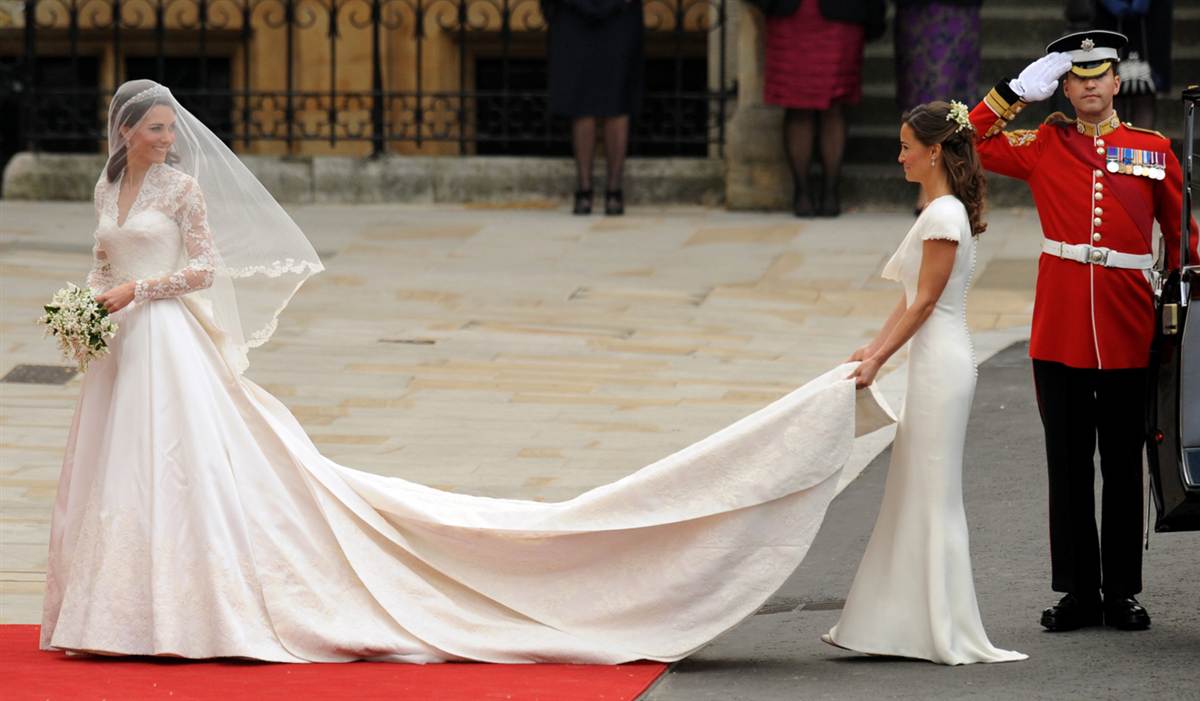
| Crassus today in class we re took the pop quiz which i am really happy about because i think we did a lot better. After that mr Schick weirdly disappeared from the room. When he reentered the room he was in a rapper outfit. He then put on a rap about Rome which was actually really helpful and really funny. In the rap he talked about what happened in Rome. We then had to find pictures of the things in it. Today was also the royal wedding so of coarse i have to add a picture of Kate Middleton who looked so pretty in her dress and Prince William who looked very handsome in his outfit |
 |
| Rome |
 |
| Estrucans |
 |
| The Greeks |
 |
| The Latins |
 |
| Lepidus |
 |
| Cleopatra |
 |
| Pompey |
 |
| Julius Caesar getting stabbed |
 |
| The Gauls |
the impossible pop quiz
Today was a very short day in class because we had a very weird scheduel with tornadoes and everything else. first started out with the prayer like usual. We then went over the homework we had to do about Rome reading. Then Mr Schick surprised us with a pop quiz. It was so hard. i did not do well on it and i got a 5/10 which is really hard. It brought my grade down from a 98 to a 86 which i am dispointed in but hopefully i will be able to get my grade up soon
Wednesday, April 27, 2011
4/27/11
Today in class we went over the answers to the Rome Reading paper he gave us yesterday. And then he told us that we had another Reading Rome assignment due. We had to define a-f and answer question 1-6. Consul- taking the place of a king, Rome had to consuls. like kings, they commanded the army and directed the government. had the power of life and death over citizens in wartime and great powers in peacetime as well; Veto- when you overrule another consul; senate- was the aristocratic branch of Romes government; assembly- the democratic side of Roman government was the assembly. All citizen-soldiers were members of this branch of government. The assembly had little power in comparison to the consuls and the senate; dictator- a leader who had a absolute power to make laws and command the army; mercenary- is a person who is set on making money. We also had questions to answer. Plebeians were dissatisfied with Roman government because in 509 B.C the Roman's drove out their Kings and patricians controlled Rome's government now. Plebeians were barred by law from holding most important positions in government -- commanding armies, serving as high priest, or holding high offices. Eventually the plebeians won a greater share of political power. Between 494 and 287 B.C, thousands of plebeians refused to fight in the Roman army unless patricians agreed to certain reforms. The plebeians gained higher political positions and more favorable laws. Marriage between the two groups was allowed and enslavement by debt was ended. They created a written law code called Twelve Tables. Romans considered they had a balanced government because their government was partly a monarchy, partly an aristocracy, and partly a democracy. They believed this gave them the best features of all kinds of governments. Romans won the support of the conquered people becuase they had different parts of the conquered territory were subjected to different laws and treatment from Rome. CArtharage might have seemed more powerful because Carthage had a population of 250,000 which was 3 times the size of Rome. They had a huge navy of 500 ships. Overseas trade made it a very wealthy city. They had 3 great advantages. First, Rome could draw on a reserve of more than 500,000 troops made available through its conquests in Italy. Second, Rome's citizen troops were generally more loyal and reliable than the mercenaries employed by Carthage. Third, warfare was Roman specialty. The battle of Zama was a major turning point in history becuase if Hannibal had been the victor, Carthage and not Rome would have become the greatest empire in the world. Since Rome was victorious, it was Rome that passed on its laws, its government, and its culture to Western Civilization. At first Roman armies marching into Macedon looked like protectors of Greek freedom. The Greeks rejoiced when, in 197 B.C, the Roman's freed them from the rule of Philip V of Macedon. Once settled in Greece, however, the Romans interfered in Greek politics, crashing all opposition to rulers favored by Rome. As time passed, the exercise of Roman power in the east became increasingly ruthless. A few Greek city-states tried to free themselves from Rome's tightened grip, but failed. Rome singled out Corinth for an example.
Tuesday, April 26, 2011
4/26/11
today in class we first started out talking about how mr schick had a very bad easter because he was sick the whole time. he had a temperature of 103 tuesday through thursday with the shivers and the shakes. After he was finished talking about that he sent us an email with an attachment of a paper. We had to read the whole paper and then at the end answer questions about it. The paper was mostly about Rome.We also had to answer some questions about the Rome paper. It first asks us to identify some words; republic- A political unit that is not ruled by a monarch and in their leasers; Gravitas- weightiness or seriousness; patrician- specially privileged families that were like high society in Rome; pater families- the eldest man of the family who had complete power over his family; toga- an uncomfortable garment that Romans used to wear; plebeian- the common people like artisans, farmers, and merchants; legion- the roman military unit; century- each legion was divided into 60 smaller parts which are called legions. After describing all of those words we had to identify: Italy- which is shaped like a high heeled boot. The Italian peninsula is near the midpoint of the Mediterranean. The land is very mountainous and the country was rolling, wooded, fertile; Rome- Rome is midway in the Alps and Italys southern tip. Rom occupies an ideal position from which to send out ships and armies in all directions. Romulus was part of an ancient Roman myth. He was the one who stated Rome after he struck his brother and killed him; Palatine Hill- the hill that Romulus chose for his new city. After he killed his brother, Palatine Hill became Athens; Alps- the apls are located on the Eastern side of Rome; Tiber River- a river that the king put Romulus and his brother Remus in when they were just babies because he feared they would become to powerful; I then figured out that you didnt have to describe all these things you just had to answer some of the questions. Geography helped Rome because there were in the middle of the Mediterranean and also in the middle of Italy. They were in the prime location for trade routes.The difference between a republic and a democracy. Republic is when the people get to choose there own leader and a democracy is when the people get to choose everything like going to war and building roads. The next question we had to answer was how did Latins, Greeks, and Etruscans help Romes development. Rome began as a settlement of Latin shepherds, no more than a cluster of round wooden huts perched atop the 300- foot Palatine Hill. The Greeks established about 50 colonies on the coast of southern Italy and Sicily. These active cities brought all of Italy, including Rome, into closer contact with Greek civilization. The Etuscans had a writing system and the Latins did not. They also had a great cultural influence on the Latins. Eventually the settlers of Rome adopted their alphabet. The values of early roman society was that they had specially privileged families who were known as the patrician class. The said that there ancestry gave them the authority to make laws for Rome and its people. The Roman household was organized as a parta familia which means that the father of the family was the one who ruled and made the decisions in the family. The women had rights but not as many as the father. She could make decisions but it was always under the pressure of the father. The army was linked to Roman society because all male citizens were required to serve in the army and no one could hold public office untile he had a first served ten years as a soldier.
Monday, April 18, 2011
Notes for Test Wednesday
Today in class we talked about what was going to be on the test
Multiple choice 33 points
1 short answer Question
Olympics-
What happened in 776 B.C.
- the Olympics
What were some Olympic sports
discus, wrestling, boxing
War-
Formation used in battle
-phallanx
Name of the Greek soldiers
-Hopiltes
who did the Greeks fight more than anyone else?
-persians
battle against the persians
-Marathon, gaugamela,, thermopolese, Issus
* peloponnesian war was NOT against Persia
battle of Hydaspes against India
Peloponnesian War
Who was in charge of Athens in Peloponnesian War
- Pericles
Who was it Against
- Athens and Sparta
Who won?
-Sparta
What happened inside the walls during the first stage of the war?
- people staved and got the plague so they died
First time people rose up against there rulers?
-508 B.C.
Sparta-
What age were kids taken away to be trained?
-7 years old
Who were Spartans?
-land fighters, army, infantry
Homer-
Blind Poet who told stories of...?
-llyad and Oddessy
Llyad was the soty of Trojan War with Trojan Horses, They were both epic poems, probably sung.
Colums-
Three types of Greek Colums-
-Doric, Ionic, Corinthian
Parthenon-
what age was it built in?
-Golden age of Greece with Pericles rulling
what kind of collums?
-doric
Pericles-
Had three goals when he took over
-athens greatest city
-strengthen Greek Democracy
-expanded empire
What was the place called with public discussion?
-Agora
Pottery-
What is pottery used for?
-wine, storage, perfume
Science-
Who was Ecuclaid?
- he pionerred Geometry
What did Archemides founded ?
- puly system and displacement theory?
Three main philosophers?
- Socrates
-Plato
-Aristotle
Who was Alexanders teacher?
-Aristotle
*** Socrates and the Trial
Socrates chared with not recognizing gods and corrupting the youth. He was guilty and his punishment was death. He had to drink poisoness Hemlock
"the unexamined life is not worth living" -Socrates
*** Plato's Cave theory
In the allegory, Plato likens people untutored in the Theory of Forms to prisoners chained in a cave, unable to turn their heads. All they can see is the wall of the cave. Behind them burns a fire. Between the fire and the prisoners there is a parapet, along which puppeteers can walk. The puppeteers, who are behind the prisoners, hold up puppets that cast shadows on the wall of the cave. The prisoners are unable to see these puppets, the real objects, that pass behind them. What the prisoners see and hear are shadows and echoes cast by objects that they do not see
Such prisoners would mistake appearance for reality. They would think the things they see on the wall (the shadows) were real; they would know nothing of the real causes of the shadows. Plato’s aim in the Republic is to describe what is necessary for us to achieve this reflective understanding. But even without it, it remains true that our very ability to think and to speak depends on the Forms. For the terms of the language we use get their meaning by “naming” the Forms that the objects we perceive participate in.
Multiple choice 33 points
1 short answer Question
Olympics-
What happened in 776 B.C.
- the Olympics
What were some Olympic sports
discus, wrestling, boxing
War-
Formation used in battle
-phallanx
Name of the Greek soldiers
-Hopiltes
who did the Greeks fight more than anyone else?
-persians
battle against the persians
-Marathon, gaugamela,, thermopolese, Issus
* peloponnesian war was NOT against Persia
battle of Hydaspes against India
Peloponnesian War
Who was in charge of Athens in Peloponnesian War
- Pericles
Who was it Against
- Athens and Sparta
Who won?
-Sparta
What happened inside the walls during the first stage of the war?
- people staved and got the plague so they died
First time people rose up against there rulers?
-508 B.C.
Sparta-
What age were kids taken away to be trained?
-7 years old
Who were Spartans?
-land fighters, army, infantry
Homer-
Blind Poet who told stories of...?
-llyad and Oddessy
Llyad was the soty of Trojan War with Trojan Horses, They were both epic poems, probably sung.
Colums-
Three types of Greek Colums-
-Doric, Ionic, Corinthian
Parthenon-
what age was it built in?
-Golden age of Greece with Pericles rulling
what kind of collums?
-doric
Pericles-
Had three goals when he took over
-athens greatest city
-strengthen Greek Democracy
-expanded empire
What was the place called with public discussion?
-Agora
Pottery-
What is pottery used for?
-wine, storage, perfume
Science-
Who was Ecuclaid?
- he pionerred Geometry
What did Archemides founded ?
- puly system and displacement theory?
Three main philosophers?
- Socrates
-Plato
-Aristotle
Who was Alexanders teacher?
-Aristotle
*** Socrates and the Trial
Socrates chared with not recognizing gods and corrupting the youth. He was guilty and his punishment was death. He had to drink poisoness Hemlock
"the unexamined life is not worth living" -Socrates
*** Plato's Cave theory
In the allegory, Plato likens people untutored in the Theory of Forms to prisoners chained in a cave, unable to turn their heads. All they can see is the wall of the cave. Behind them burns a fire. Between the fire and the prisoners there is a parapet, along which puppeteers can walk. The puppeteers, who are behind the prisoners, hold up puppets that cast shadows on the wall of the cave. The prisoners are unable to see these puppets, the real objects, that pass behind them. What the prisoners see and hear are shadows and echoes cast by objects that they do not see

Such prisoners would mistake appearance for reality. They would think the things they see on the wall (the shadows) were real; they would know nothing of the real causes of the shadows. Plato’s aim in the Republic is to describe what is necessary for us to achieve this reflective understanding. But even without it, it remains true that our very ability to think and to speak depends on the Forms. For the terms of the language we use get their meaning by “naming” the Forms that the objects we perceive participate in.
Subscribe to:
Posts (Atom)