Monday, June 6, 2011
DONUTSS
today in class we really didnt do much except eat donuts that Kristy Kim brought in for us.. it was a good day to end the year on! im going to miss this class a lot!! I am now trying to study for our exams, i learned alot this year but i am just really bad at testing so hopefully i will get a decent grade

Friday, June 3, 2011
6/2 test today
today in class we had to take a test. i thought it was really easy but i ended up getting a 75 plus my 5 extra credit points which means i got an 80. im really disappointed with my grade because i studied really hard for it and i understood everything so i dont really know what happened. It also brought my grade down by 3 points to an 89 and i need to get that back up because if i get good grades this semester i will get a betta fish and i really want a fish so i can either name it gill of kiwi. I dont know which one to choose, you decide. But after we were done taking the quiz we didnt really do anything since it was a short class. but it was still really funn
Wednesday, June 1, 2011
There was no test today
Today in class instead of taking a test we went over the paper we got in class on friday.
- Trade was disrupted by pirates in the Mediterranean
- inflation is the economic condition when prices rise rapidly
- Roman emperors started to recruit barbarians into the army becuase they were cheaper, but they werent loyal
- during the third century, the only groups actively interested in political office were the leaders of prvincial governments- False the correct answer is military leaders
- Diocletian's division of the empire between east and west weakened the empire as a whole- True because the west fell to invaders
- The western half of the empire included most of the major cities and centers of trade- False the correct answer is the eastern half
- Constantine made Christianity an approved religion in the empire
- Huns were the major reason for the Germanic invasions of the Roman Empire.
Friday, May 27, 2011
Romes empire declined and fell
Since mr Schick gave us the packet of the roman empire we started to talk about it in class. We had to highlight some of the key parts in the packet and this is what i highlighted
- In A.D. 476 a barbarian king took over the rule of Rome.
- the process of decline took place in three stages. first there was a long time of turmoil known by historians as the crisis of the third century. during these years the empire was beset by economic military and political problems. the third was there was a time of revival during which the empire was divided into two parts, eastern and western. and the third was the western half of the empire fell to invaders.
- trade was disrupted by barbarian raids and by bands of pirates on the Mediterranean sea lanes. they didn't have what people wanted to trade. china, India, and Arabia had little interest in buying such plain goods
- such and increase in prices is called inflation
- agriculture faced an equally serious crisis, people think that the overworked soil had probably lost much of its earlier fertility
- throughout the third century, Goths repeatedly overran the legions guarding the Danube frontier
- partly to keep costs down, emperors. began to recruit barbarians who would accept lower pay. However the loyalty of barbarian troops to the empire could hardly be trusted
Wednesday, May 25, 2011
The fall of the Roman Empire
Today in class Mr. Schick gave us a sheet that we had to define some things and also answer questions
Inflation- a huge increase in prices
- All three of their prosperities dried up. Trade was disrupted by barbarian raids and by bands of pirates on Mediterranean sea lanes. Rome's gold and silver were drained away to buy luxuries from China, India, and Arabia. They couldn't pay their expenses; coins lost 98% silver and prices were sky high.
2. Ranked among the greatest emperors.
3. Divided the empire
(b) List three reasons why he might be considered a failure
1. Not all the reforms were totally successful.
2. Wages for new troops added to the already high taxes
3. Price controls failed
Inflation- a huge increase in prices
- Diocletian- a strong willed army leader and son of a slave, became the new emperor . He tried to restore order in the empire and increase its strength
- Constantine- he was a war commander. He marched to the Tiber River to fight his cheif rival. He was a strong Christian
- Eastern Empire- Constantine won the eastern empire for Rome. It was more successful than any other empire. Byzantium was located in the eastern part.
- Western Empire- Latin speaking country
- Constantinople- The capital of the eastern empire; was named after Constantine
- Huns: a nomadic people from central Asia; they were feared
- Attila: new leader of the Huns; wanted to conquer the entire empire and failed/withdrew
- Leo I: First truly powerful pope of Rome; journeyed to Attila's camp causing him to withdraw his forces.
- What economic problems did the empire face in the third century?
- All three of their prosperities dried up. Trade was disrupted by barbarian raids and by bands of pirates on Mediterranean sea lanes. Rome's gold and silver were drained away to buy luxuries from China, India, and Arabia. They couldn't pay their expenses; coins lost 98% silver and prices were sky high.
- By the third century, how had Rome's army changed since the days of the republic?
- (a)What important religious change did Constantine bring about in the empire?
- (b) What political change did he bring about?
- (a) Why did Germanic tribes invade the empire in the 400's?
- (b) Why was the empire unable to drive the invaders out?
- (a) List three reasons why Diocletian should be considered a successful empire.
2. Ranked among the greatest emperors.
3. Divided the empire
(b) List three reasons why he might be considered a failure
1. Not all the reforms were totally successful.
2. Wages for new troops added to the already high taxes
3. Price controls failed
Wednesday, May 18, 2011
Notes for a test tomorrow
Religion-
The big part of the test is the Four emperors, the persecution of Jews and Christians, and Jesus and Paul
*essay- Whats the difference between the roman republic and the roman empire
Republic made up of The senate and the consul, democracy, aristocracy and monarchy and when it becomes an empire the emperor rules
I started to studying with Alyssa and we made a study guide
- The romans had many different Gods, but then Christianity came along which only has one God
- a group of Jews decided to have a revolution called the Zealots who decided to break off and create there own country, and they fought and fought but didnt succeed. So the Romans burnt down there holy city except one wall, the Western Wall
- when they first started out the romans were harsh towards them
- Christians had to gather in secret in fear of being persecuted
- they were used as "entertainment"
- Despite the oppression, Christianity grew quickly around 10% became part of the Roman empire
The big part of the test is the Four emperors, the persecution of Jews and Christians, and Jesus and Paul
*essay- Whats the difference between the roman republic and the roman empire
Republic made up of The senate and the consul, democracy, aristocracy and monarchy and when it becomes an empire the emperor rules
I started to studying with Alyssa and we made a study guide
1. Who was the first Emperor when Rome started there empire? Octavian
2. Who was the Emperor who was made fun of for speech impediment? Claudius
3. Why did the Romans persecute Jesus? Because he said he was the son of God and there was a higher kingdom rather than Rome
4. What is the Pax Romana? A period of peace and prosperity
5. Why did Tiberius become the next Emperor after Octavian? He was Octavian’s adopted son
6. Who was the governor of the roman province of Judaeu? Pontius Pilate
7. Who actually had Jesus prosecuted? Pontius Pilate
8. How did Paul help start Christianity? He spread the word of Jesus throught Europe
9. 6 influential person? Muhammad, Isaac newton, Jesus , Buddha, Confucius, and Paul of Tarsus
Monday, May 16, 2011
yay taking notes about Rome!
The Roman Empire-
Octavian- Caesar Augustus
Octavian- Caesar Augustus
- First Emperor, began the Pax Romana a period of peace and prosperity
- built roads, aqueducts (like the plumbing system
- Set up civil service to take care of roads. the grain supply, even a postal service
- Did i great job and got stuff done, Augustus dies at the age of 76 in A.D. 14 and passes his power to Tiberius
- Roman citizen and spent his whole life in the Roman empire
- Was a Jew and at the age of 30 (A.D. 31-33) he preached to the poor and he reached out to the outsiders
- During his life he really wasn't that popular because he was just a preacher who was sometimes caught by the law
- "My kingdom is not of this world" made the Romans and the Jews nervous and they began to plan his execution
- The governor of the Roman province of Judaea, Pontius Pilate, was the one who wanted to put Jesus to death by crucifixion , but also the high priest wanted him dead too
- He is God who came to Earth but he really wasn't popular back then so we aren't really sure for a fact that what is said about him in the Gospels is really accurate
- Some Christians think that he will return to the Earth one day
- Paul is instrumental in telling the world about jesus' life death resurrection and message
- He used to hate Christians, one day he fell of his horse and then was blind for three days. After three days he was able to see again and the first thing that he saw was Jesus
- After that he wrote letters and traveled everywhere to share is story and wanted to set up out post to the Church.
- He got as far as Spain and Britain. Jesus is the central figure of the worlds largest religion all because of Paul spreading around his story
- He is actually the 6th most influential people in history
- Back then they wanted to figure out who was next in line after the leader dies so they normally adopt people and thats what Octavian did with Tiberius
- Didn't get along with the senators, said "they are fit to be slaves"
- Germanicus started out as TIberius' ally, since he quelled a legion mutiny, but when it looked like he would succeed Tiberius he got paranoid and had Germanicus killed
- Died in AD 37 at the age of 77
- Started off well being Germanices son, he was Tiberius adopted grandson and great nephew
- Gave bonuses to those in the military, declaring treason trials a thing of the past and made government spending a matter of public records (said where the people tax dollars are going)
- Began to fight with the senate, claimed he was a God so then he wanted to display in statues of him in temples especially in Jewish Temples which made them mad
- He slept with other mens wives and bragged about it, indulged in too much spending and sex, and even tried to make his horse a consul and a priest (at least thats what critics said)
- Assassinated by his own aides AD 41 (age 28)
- Was made fun of people he had a speech impediment but then when he was emperor they stopped making fun of him
- He rose to the occasion; he concurred Britain; he built roads canals and aqueducts; he renovated the Circus Maximus
- He had an awful marriage to Messalina, who was quite often unfaithful to him, even plotting to seize power for her lover Silius through a coup- so Claudius had them killed
- That was his 3rd marriage and then married again
- Christianity and Judaism: monotheistic
- Roman had many gods, plus at times the emperor was viewed as a god
- AD 66: a group of Jews called the Zealots tried to rebel, but Roman Troops put them down and burned their temple (except for one wall)
- The Western Wall today is the holiest of all Jewish shrines (also known as the wailing wall)
Tuesday, May 10, 2011
YAY hundred!
Today in class, first i had to go out in the hallway to take a Rome test. The way i studied was i used the Rome Rap and read over the Papers you emailed us. The test was really easy and i think i got a hundred on it! When i was finished my test i came back into class and they were reviewing the Greek test. We are going to use the sheet he gave us for our final exam. We then reviewed the Rome test and the answers. That how i think i got a hundred and i really hope i did because then it will raise up my grade and i am trying to keep my grade up by this blog post so i hope it all works out perfectly!
Thursday, May 5, 2011
Presentations
Clark and billy- Government
Better to not have a tyrant
Had three different governments
Best treated families
Plebeians- lower class , all citizens, weren't slaves
Better Army-
Caitlin, Emma, and Cole-
Latifundia- a large farm that were formed
Hannibal destroyed there farms home and villages
They sold there land to the wealthy and moved to Rome
The Gracchus brothers- Tiberius and Gauis they were Plebian brothers. Attempted to pass land to reform legislation. Founding Fathers in socialism and populism.
Tiberious- first one to become tribune.. clubbed to death
Gaius- Tribunes, most of the legislation passed but another tribne turned against him. The petition spread rumors about the brothers so the people turned against him
Land legislation- tried to get back everyones land. they thought the rich are getting to much land and the poor aren't getting anything
Kamau and Taylor
Julius Caesar- Group of three people were Triumverat, Ceaser Crassus and Pompie.
Caesar choose Crassus because he was a veryyyyy rich and was a military leader to become in the Triumverate. Crassus died in the battle of Gull
Pompie- Military leader wanted to be an allies with Caesar but then was a enemy
Alyssa and Catherine
Julius Caeser- Family was patriction ranked, Became a dictator for only a little, Died on march 15 called the Ides of March and was stabbed 23 times, they killed him because they thought he was becoming to powerful, Dictator and perpetuity means he is the dictator for life,
Junius Brutus- was a Roman Politician who killed Julius Caesar
Gaius Cassuis was a Roman senator who killed Julius Caesar
Cailtin and Gracie-
Julius Caesar- Birth name was Gaius Julius Caesar. he died in the Theater of Pompey. Brutus was one of his close friends who also participated in stabbing Caesar.
Better to not have a tyrant
Had three different governments
- Democracy
- Aristocracy
- Monarchy
Best treated families
Plebeians- lower class , all citizens, weren't slaves
Better Army-
- Legion (5000 men)
- Centuries was a subgroup in the Legion
- This was good because they could move all directions
Caitlin, Emma, and Cole-
Latifundia- a large farm that were formed
Hannibal destroyed there farms home and villages
They sold there land to the wealthy and moved to Rome
The Gracchus brothers- Tiberius and Gauis they were Plebian brothers. Attempted to pass land to reform legislation. Founding Fathers in socialism and populism.
Tiberious- first one to become tribune.. clubbed to death
Gaius- Tribunes, most of the legislation passed but another tribne turned against him. The petition spread rumors about the brothers so the people turned against him
Land legislation- tried to get back everyones land. they thought the rich are getting to much land and the poor aren't getting anything
Kamau and Taylor
Julius Caesar- Group of three people were Triumverat, Ceaser Crassus and Pompie.
Caesar choose Crassus because he was a veryyyyy rich and was a military leader to become in the Triumverate. Crassus died in the battle of Gull
Pompie- Military leader wanted to be an allies with Caesar but then was a enemy
Alyssa and Catherine
Julius Caeser- Family was patriction ranked, Became a dictator for only a little, Died on march 15 called the Ides of March and was stabbed 23 times, they killed him because they thought he was becoming to powerful, Dictator and perpetuity means he is the dictator for life,
Junius Brutus- was a Roman Politician who killed Julius Caesar
Gaius Cassuis was a Roman senator who killed Julius Caesar
Cailtin and Gracie-
Julius Caesar- Birth name was Gaius Julius Caesar. he died in the Theater of Pompey. Brutus was one of his close friends who also participated in stabbing Caesar.
Wednesday, May 4, 2011
Where is Mr. Schick?
Today in class Mr. Schick was not here. We had to go to Mrs. Zurkowski room instead of staying in his room all along. As other people worked on there projects, Katie Cooper and i were all done so we really didnt do anything. I did have the time to write this blog and i also did some other homework. I also at time to time helped Alyssa and Catherine with there project which was kinda fun. We didn't really do anything else so i hope you hurry back to class soon!!
Monday, May 2, 2011
Octavian the Exalter
Today in class we talked about the rap and what was in our rap. I was paired with Kaite Cooper and we are doing a presentation on the 6th paragraph which is mostly on Octavian. Caesar's nineteen-year-old great-nephew, Gaius Octavius Thurinus, entered Rome to claim his inheritance. Caesar's will had named him chief heir and adopted him as his son, making his name now Gaius Julius Caesar Octavianus. Octavian, Antony, and Lepidus formed an official three-man government, called “the second triumvirate”.

· It was fought between Octavian and the combined forces of Mark Antony and Cleopatra VII
· The war was on September 2, 31 BC on the Ionian Sea near Actium Greece
· During the war Octavian tried to make a trues with Antony but he rejected, so then they prepared for battle the next year
· They fought by ships
· On the First day of September, Octavian issued his fleet to move around Antony’s. In fear of being surrounded, Antony gave word to attack.
· Since Antony was surrounded, Octavian pushed Antony’s fleet toward shore. Antony forced a hole through Octavian’s fleet and that is where he and Cleopatra escaped.
· Octavian won the battle and was awarded the title of Augustus
· This war was the end of the Roman Republic and the beginning of the Roman Empire.

Friday, April 29, 2011
The not so impossible pop quiz
 |
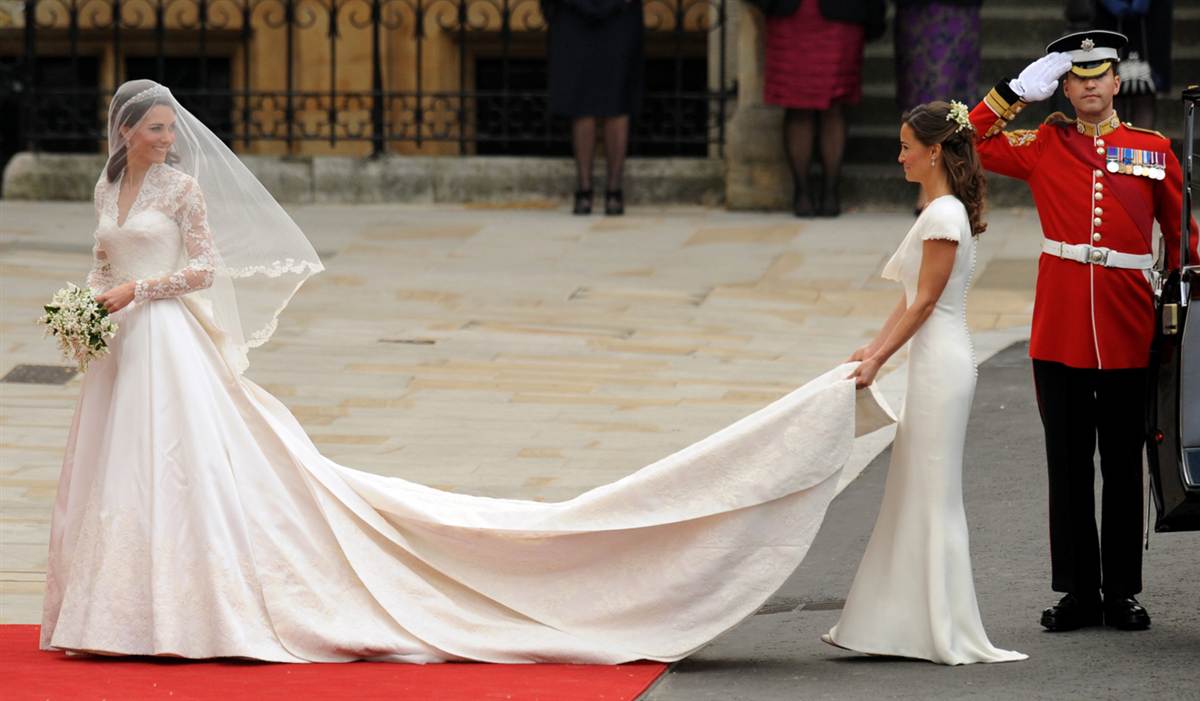
| Crassus today in class we re took the pop quiz which i am really happy about because i think we did a lot better. After that mr Schick weirdly disappeared from the room. When he reentered the room he was in a rapper outfit. He then put on a rap about Rome which was actually really helpful and really funny. In the rap he talked about what happened in Rome. We then had to find pictures of the things in it. Today was also the royal wedding so of coarse i have to add a picture of Kate Middleton who looked so pretty in her dress and Prince William who looked very handsome in his outfit |
 |
| Rome |
 |
| Estrucans |
 |
| The Greeks |
 |
| The Latins |
 |
| Lepidus |
 |
| Cleopatra |
 |
| Pompey |
 |
| Julius Caesar getting stabbed |
 |
| The Gauls |
the impossible pop quiz
Today was a very short day in class because we had a very weird scheduel with tornadoes and everything else. first started out with the prayer like usual. We then went over the homework we had to do about Rome reading. Then Mr Schick surprised us with a pop quiz. It was so hard. i did not do well on it and i got a 5/10 which is really hard. It brought my grade down from a 98 to a 86 which i am dispointed in but hopefully i will be able to get my grade up soon
Wednesday, April 27, 2011
4/27/11
Today in class we went over the answers to the Rome Reading paper he gave us yesterday. And then he told us that we had another Reading Rome assignment due. We had to define a-f and answer question 1-6. Consul- taking the place of a king, Rome had to consuls. like kings, they commanded the army and directed the government. had the power of life and death over citizens in wartime and great powers in peacetime as well; Veto- when you overrule another consul; senate- was the aristocratic branch of Romes government; assembly- the democratic side of Roman government was the assembly. All citizen-soldiers were members of this branch of government. The assembly had little power in comparison to the consuls and the senate; dictator- a leader who had a absolute power to make laws and command the army; mercenary- is a person who is set on making money. We also had questions to answer. Plebeians were dissatisfied with Roman government because in 509 B.C the Roman's drove out their Kings and patricians controlled Rome's government now. Plebeians were barred by law from holding most important positions in government -- commanding armies, serving as high priest, or holding high offices. Eventually the plebeians won a greater share of political power. Between 494 and 287 B.C, thousands of plebeians refused to fight in the Roman army unless patricians agreed to certain reforms. The plebeians gained higher political positions and more favorable laws. Marriage between the two groups was allowed and enslavement by debt was ended. They created a written law code called Twelve Tables. Romans considered they had a balanced government because their government was partly a monarchy, partly an aristocracy, and partly a democracy. They believed this gave them the best features of all kinds of governments. Romans won the support of the conquered people becuase they had different parts of the conquered territory were subjected to different laws and treatment from Rome. CArtharage might have seemed more powerful because Carthage had a population of 250,000 which was 3 times the size of Rome. They had a huge navy of 500 ships. Overseas trade made it a very wealthy city. They had 3 great advantages. First, Rome could draw on a reserve of more than 500,000 troops made available through its conquests in Italy. Second, Rome's citizen troops were generally more loyal and reliable than the mercenaries employed by Carthage. Third, warfare was Roman specialty. The battle of Zama was a major turning point in history becuase if Hannibal had been the victor, Carthage and not Rome would have become the greatest empire in the world. Since Rome was victorious, it was Rome that passed on its laws, its government, and its culture to Western Civilization. At first Roman armies marching into Macedon looked like protectors of Greek freedom. The Greeks rejoiced when, in 197 B.C, the Roman's freed them from the rule of Philip V of Macedon. Once settled in Greece, however, the Romans interfered in Greek politics, crashing all opposition to rulers favored by Rome. As time passed, the exercise of Roman power in the east became increasingly ruthless. A few Greek city-states tried to free themselves from Rome's tightened grip, but failed. Rome singled out Corinth for an example.
Tuesday, April 26, 2011
4/26/11
today in class we first started out talking about how mr schick had a very bad easter because he was sick the whole time. he had a temperature of 103 tuesday through thursday with the shivers and the shakes. After he was finished talking about that he sent us an email with an attachment of a paper. We had to read the whole paper and then at the end answer questions about it. The paper was mostly about Rome.We also had to answer some questions about the Rome paper. It first asks us to identify some words; republic- A political unit that is not ruled by a monarch and in their leasers; Gravitas- weightiness or seriousness; patrician- specially privileged families that were like high society in Rome; pater families- the eldest man of the family who had complete power over his family; toga- an uncomfortable garment that Romans used to wear; plebeian- the common people like artisans, farmers, and merchants; legion- the roman military unit; century- each legion was divided into 60 smaller parts which are called legions. After describing all of those words we had to identify: Italy- which is shaped like a high heeled boot. The Italian peninsula is near the midpoint of the Mediterranean. The land is very mountainous and the country was rolling, wooded, fertile; Rome- Rome is midway in the Alps and Italys southern tip. Rom occupies an ideal position from which to send out ships and armies in all directions. Romulus was part of an ancient Roman myth. He was the one who stated Rome after he struck his brother and killed him; Palatine Hill- the hill that Romulus chose for his new city. After he killed his brother, Palatine Hill became Athens; Alps- the apls are located on the Eastern side of Rome; Tiber River- a river that the king put Romulus and his brother Remus in when they were just babies because he feared they would become to powerful; I then figured out that you didnt have to describe all these things you just had to answer some of the questions. Geography helped Rome because there were in the middle of the Mediterranean and also in the middle of Italy. They were in the prime location for trade routes.The difference between a republic and a democracy. Republic is when the people get to choose there own leader and a democracy is when the people get to choose everything like going to war and building roads. The next question we had to answer was how did Latins, Greeks, and Etruscans help Romes development. Rome began as a settlement of Latin shepherds, no more than a cluster of round wooden huts perched atop the 300- foot Palatine Hill. The Greeks established about 50 colonies on the coast of southern Italy and Sicily. These active cities brought all of Italy, including Rome, into closer contact with Greek civilization. The Etuscans had a writing system and the Latins did not. They also had a great cultural influence on the Latins. Eventually the settlers of Rome adopted their alphabet. The values of early roman society was that they had specially privileged families who were known as the patrician class. The said that there ancestry gave them the authority to make laws for Rome and its people. The Roman household was organized as a parta familia which means that the father of the family was the one who ruled and made the decisions in the family. The women had rights but not as many as the father. She could make decisions but it was always under the pressure of the father. The army was linked to Roman society because all male citizens were required to serve in the army and no one could hold public office untile he had a first served ten years as a soldier.
Monday, April 18, 2011
Notes for Test Wednesday
Today in class we talked about what was going to be on the test
Multiple choice 33 points
1 short answer Question
Olympics-
What happened in 776 B.C.
- the Olympics
What were some Olympic sports
discus, wrestling, boxing
War-
Formation used in battle
-phallanx
Name of the Greek soldiers
-Hopiltes
who did the Greeks fight more than anyone else?
-persians
battle against the persians
-Marathon, gaugamela,, thermopolese, Issus
* peloponnesian war was NOT against Persia
battle of Hydaspes against India
Peloponnesian War
Who was in charge of Athens in Peloponnesian War
- Pericles
Who was it Against
- Athens and Sparta
Who won?
-Sparta
What happened inside the walls during the first stage of the war?
- people staved and got the plague so they died
First time people rose up against there rulers?
-508 B.C.
Sparta-
What age were kids taken away to be trained?
-7 years old
Who were Spartans?
-land fighters, army, infantry
Homer-
Blind Poet who told stories of...?
-llyad and Oddessy
Llyad was the soty of Trojan War with Trojan Horses, They were both epic poems, probably sung.
Colums-
Three types of Greek Colums-
-Doric, Ionic, Corinthian
Parthenon-
what age was it built in?
-Golden age of Greece with Pericles rulling
what kind of collums?
-doric
Pericles-
Had three goals when he took over
-athens greatest city
-strengthen Greek Democracy
-expanded empire
What was the place called with public discussion?
-Agora
Pottery-
What is pottery used for?
-wine, storage, perfume
Science-
Who was Ecuclaid?
- he pionerred Geometry
What did Archemides founded ?
- puly system and displacement theory?
Three main philosophers?
- Socrates
-Plato
-Aristotle
Who was Alexanders teacher?
-Aristotle
*** Socrates and the Trial
Socrates chared with not recognizing gods and corrupting the youth. He was guilty and his punishment was death. He had to drink poisoness Hemlock
"the unexamined life is not worth living" -Socrates
*** Plato's Cave theory
In the allegory, Plato likens people untutored in the Theory of Forms to prisoners chained in a cave, unable to turn their heads. All they can see is the wall of the cave. Behind them burns a fire. Between the fire and the prisoners there is a parapet, along which puppeteers can walk. The puppeteers, who are behind the prisoners, hold up puppets that cast shadows on the wall of the cave. The prisoners are unable to see these puppets, the real objects, that pass behind them. What the prisoners see and hear are shadows and echoes cast by objects that they do not see
Such prisoners would mistake appearance for reality. They would think the things they see on the wall (the shadows) were real; they would know nothing of the real causes of the shadows. Plato’s aim in the Republic is to describe what is necessary for us to achieve this reflective understanding. But even without it, it remains true that our very ability to think and to speak depends on the Forms. For the terms of the language we use get their meaning by “naming” the Forms that the objects we perceive participate in.
Multiple choice 33 points
1 short answer Question
Olympics-
What happened in 776 B.C.
- the Olympics
What were some Olympic sports
discus, wrestling, boxing
War-
Formation used in battle
-phallanx
Name of the Greek soldiers
-Hopiltes
who did the Greeks fight more than anyone else?
-persians
battle against the persians
-Marathon, gaugamela,, thermopolese, Issus
* peloponnesian war was NOT against Persia
battle of Hydaspes against India
Peloponnesian War
Who was in charge of Athens in Peloponnesian War
- Pericles
Who was it Against
- Athens and Sparta
Who won?
-Sparta
What happened inside the walls during the first stage of the war?
- people staved and got the plague so they died
First time people rose up against there rulers?
-508 B.C.
Sparta-
What age were kids taken away to be trained?
-7 years old
Who were Spartans?
-land fighters, army, infantry
Homer-
Blind Poet who told stories of...?
-llyad and Oddessy
Llyad was the soty of Trojan War with Trojan Horses, They were both epic poems, probably sung.
Colums-
Three types of Greek Colums-
-Doric, Ionic, Corinthian
Parthenon-
what age was it built in?
-Golden age of Greece with Pericles rulling
what kind of collums?
-doric
Pericles-
Had three goals when he took over
-athens greatest city
-strengthen Greek Democracy
-expanded empire
What was the place called with public discussion?
-Agora
Pottery-
What is pottery used for?
-wine, storage, perfume
Science-
Who was Ecuclaid?
- he pionerred Geometry
What did Archemides founded ?
- puly system and displacement theory?
Three main philosophers?
- Socrates
-Plato
-Aristotle
Who was Alexanders teacher?
-Aristotle
*** Socrates and the Trial
Socrates chared with not recognizing gods and corrupting the youth. He was guilty and his punishment was death. He had to drink poisoness Hemlock
"the unexamined life is not worth living" -Socrates
*** Plato's Cave theory
In the allegory, Plato likens people untutored in the Theory of Forms to prisoners chained in a cave, unable to turn their heads. All they can see is the wall of the cave. Behind them burns a fire. Between the fire and the prisoners there is a parapet, along which puppeteers can walk. The puppeteers, who are behind the prisoners, hold up puppets that cast shadows on the wall of the cave. The prisoners are unable to see these puppets, the real objects, that pass behind them. What the prisoners see and hear are shadows and echoes cast by objects that they do not see

Such prisoners would mistake appearance for reality. They would think the things they see on the wall (the shadows) were real; they would know nothing of the real causes of the shadows. Plato’s aim in the Republic is to describe what is necessary for us to achieve this reflective understanding. But even without it, it remains true that our very ability to think and to speak depends on the Forms. For the terms of the language we use get their meaning by “naming” the Forms that the objects we perceive participate in.
Friday, April 15, 2011
4/15/11
Today in class we recorded how many people bought prevent genocide shirts. 2/3 of the class bought shirts raising $55. After we were done counting people we started to watch Alexander the Great movie again. Alexander went through life without ever loosing one battle. Birds of pray would always appear when something monumental happened in Alexanders life. After the war Alexander was the king of Persian Empire and he was loved by all. He welcomed in people who he concord to his Empire. The king Darrius was betrayed by his commanders. Alexander then hunted down those commanders and got revenge on all of them and punished them. He had 10 cities named after himself. We then skipped to a part where he is in Hindu Kush where he marched into the "unknown" but he said it was the route to the end of the world. The problem for Alexander was that he wanted to concur the world. He thought that when he went over the Himalayans that there would be the ocean and there would be the end. After it was hard to get over the Himalayans he tried to concur India but his men cant take it anymore and have had enough. After he would not take his army home he was no longer loved by all. The still fight in India and that is where his horse is killed form underneath him.
Thursday, April 14, 2011
Alexander the Great
Today in Class we watched a movie about Alexander the Great. His dad was Philip the second and his mom was Olympia. His mom told him that his real fahter was the Greek god Acilies. By the Age of 20 he was already fighting and try to take of the world. In the begging of the movie there was a scene about how Alexander picked out his horse Bucepehalus and the horse would only let Alexander ride him. We then skipped to the scene of the Gaugalela war. This war was very bloody and gross. Before the war started the cut up a bull and went through there guts so they could "predict" who was going to win the war. In the end Darrius, alexanders enemy, won even though they were very out numbered,
Wednesday, April 13, 2011
Katie Cooper
Katie- 98% She didnt just read off her slide, she knew a lot about what she was talking about
1. Who was Socrates and what did he study?
- greek philosopher and he studied life of people
2. What was one of Socrates Teaching
- You should know who you are and try to become better and improve
3. What did Aristotle Figure out?
- Earth wind fire water and the Aether was other things you couldnt explain
1. Who was Socrates and what did he study?
- greek philosopher and he studied life of people
2. What was one of Socrates Teaching
- You should know who you are and try to become better and improve
3. What did Aristotle Figure out?
- Earth wind fire water and the Aether was other things you couldnt explain
Monday, April 11, 2011
Emma, Jeffy,
Today in class we got cake for Caitlins birthday. We also continued with our presentations.
Emma- She seemed to put a lot of work in her video and presentation 98%
1. Name some of the events they had in the Olympics?
-boxing, equestrian events, pankration, discus, javelin, jump, running, wrestling.
2. Who normally participated in the Olympics?
- Aristocrates vs the townspeople
3. When did it start?
- 776 B.C.- 393 A.D.
Jeffy- 95% he had a lot of facts and knew alot about his presentation
1. What do the Greeks use for building stuff?
- stone and marble
2. Describe the houses for the rich and the not so rich.
- Poor people made out of mud and brick and were close together. The rich were very spacy
3. Types of colums
- Doric, Ionis, Corithian
Cole- 98% had alot of information and the cake was really good !
1. What leagues were both Athens and Sparta in?
- Athens : Dealian League Sparta: Peloponnesian League
2. What were the names of the three parts of the war?
- Archidamian war, Peace of Nicias, Declean and Ionian war
3. Who was the leader of Athens?
- Pericles
Emma- She seemed to put a lot of work in her video and presentation 98%
1. Name some of the events they had in the Olympics?
-boxing, equestrian events, pankration, discus, javelin, jump, running, wrestling.
2. Who normally participated in the Olympics?
- Aristocrates vs the townspeople
3. When did it start?
- 776 B.C.- 393 A.D.
Jeffy- 95% he had a lot of facts and knew alot about his presentation
1. What do the Greeks use for building stuff?
- stone and marble
2. Describe the houses for the rich and the not so rich.
- Poor people made out of mud and brick and were close together. The rich were very spacy
3. Types of colums
- Doric, Ionis, Corithian
Cole- 98% had alot of information and the cake was really good !
1. What leagues were both Athens and Sparta in?
- Athens : Dealian League Sparta: Peloponnesian League
2. What were the names of the three parts of the war?
- Archidamian war, Peace of Nicias, Declean and Ionian war
3. Who was the leader of Athens?
- Pericles
Subscribe to:
Posts (Atom)